






















With the European Union’s recent warning to Meta WhatsApp AI, accusing the tech giant of breaching antitrust rules, they signal that AI is no longer a closeted project: it’s a new field of global opportunities and tactical effectiveness. The tension isn’t only in big tech giants, though, as AI has reached social, professional, and personal aspects of our lives. With every new update, the world is watching a turning point in history—turning what some people fear into a solution-oriented tool.
Even tech executives seem surprised by how fast AI is moving. While AI makes the job easier and more efficient, some people argue that it is destroying creativity and ultimately leading to it destroying the world. However, completely refusing to use AI—when it is already embedded in everyday life—distances us from the future.
“I think it’s foolish to refuse AI,” Sabre Schnitzer, Chief of Compliance at a private AI data company, said. “We should adopt some form of AI because you see it in everyday life. Siri is a form of AI. Google maps is a form of AI. Avoiding all of AI is saying that in a few years you will not be using any technology whatsoever. Abandoning AI is basically abandoning technology because it’s going to be in everything.”
Some people argue AI isn’t like The Matrix or Terminator. With updates every few months from ChatGPT and Gemini, it can be easy to think AI is moving faster than humans—but in this world, in this age, ‘control’ signals a high-speed game of tug-a-war, not a steady ride uphill. However, AI’s ‘Poison Apple’ schemes may seem like a fairy tale, but some insist it’s more real than we give it credit for.
“Media centers that use AI use the world’s water, meaning that someday we may run out of water,” Lily White (6) said. She stressed how these centers also pollute the air and slowly decay the ozone layer.
Many seem to agree with Lily. The technical side of TikTok—AI-Tok—expresses these matters as a recognition of environmental, logistical, and technical cons in the system. The media centers relying too heavily on AI can cause damage to water and produce significant waste, according to the United Nations Environment Programme.
However, some argue that AI is helping global changes instead of hurting them. In fields such as agriculture and healthcare, AI has already aided in early disease detection and AI powered systems help crops control soil health and pest control.
Furthermore, a study from the Wall Street Journal shows the high adoption rate of AI, with 90% of employees surveyed expressing how AI will complement their job instead of replace. This opinion indicates how workers are viewing AI not as a threat, but as a compatible friend in the workplace.
“AI can generate stuff and help figure out the solutions. I probably use it once a week,” Anthony Schlenger (7) said.
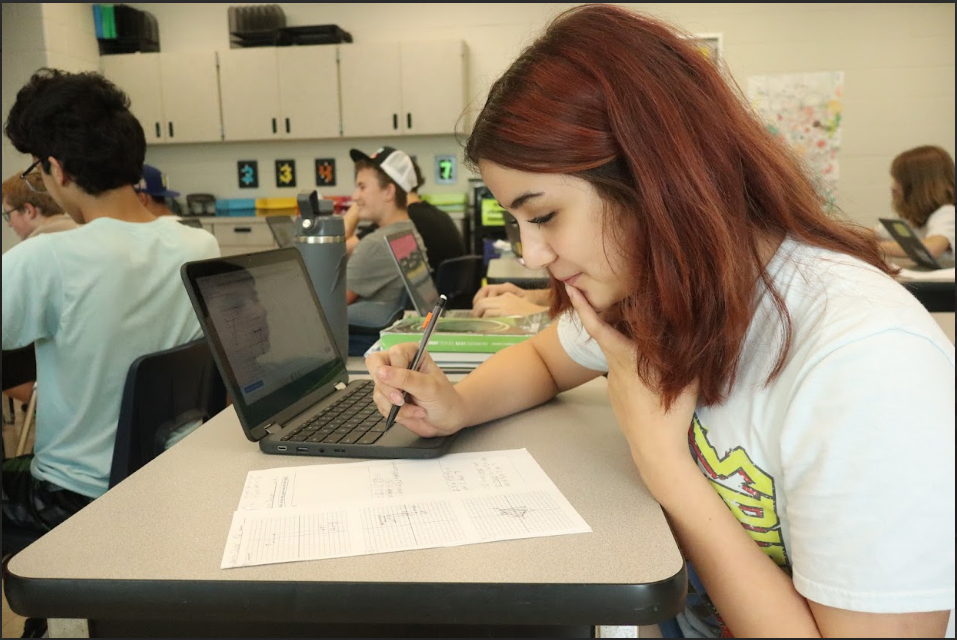
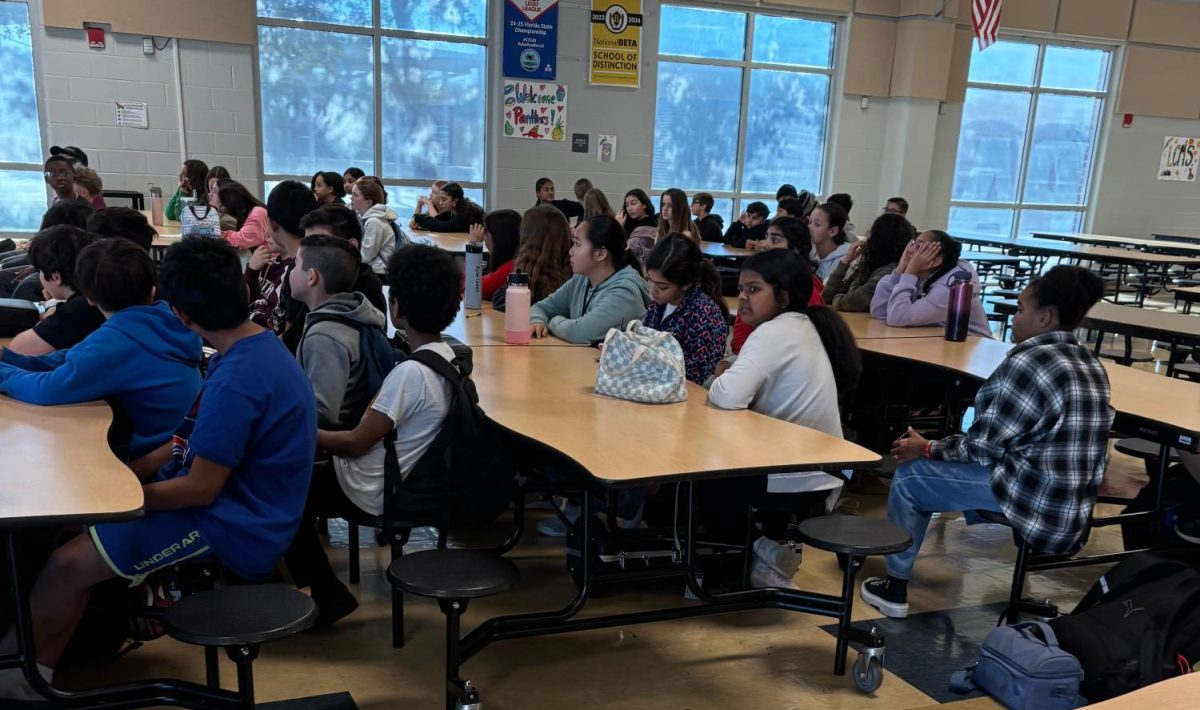
Additionally, a classroom poll split the opinion, with about 63% of students liking AI. This shows that students are more open to using AI when used in moderation compared to disliking it.
But is AI really helpful? AI is a lot cheaper than paying an employee in the workplace, as explained by Schnitzer in his interview. With big companies trying to find cheap labor, AI seems like an inexpensive opening to take advantage. Additionally, as big tech companies like ChatGPT land huge defense contracts, it seems the future of warfare is in AI.
“AI can help explain hard to understand ideas; however using it too much can take over learning,” Hudson Hackett (8) said. “You can actually learn from it when using it correctly.”
As AI continues to expand across industries and everyday life, the gap between what we fear and acceptance comes closer together. While some view it as something to drop right here with creativity and our world at stake, others find AI to be a strong tool when used wisely. We cannot deny the future of tech, but rather be open to the innovation of this generation. AI is a helpful tool to help us reflect—but never reflect for us.